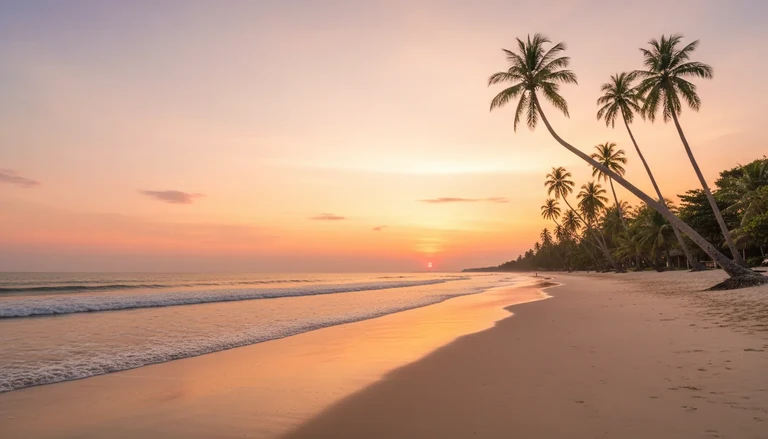
Guide to Khao Lak Beaches
The Khao Lak beaches stretch 30 kilometres along Highway 4, making a rental car the most practical way to explore this quiet, spread-out coastline.
Compare Car Rental DealsSearch & Compare Car Rental Deals
Free cancellation on most vehicles
A Coastline Best Explored by Car
The beaches in this region run roughly 25 to 30 kilometres from north to south along Highway 4. Because public transport is sparse along this coastal strip, choosing to rent a car is the most practical way to explore the different sands at your own pace.
Side roads branch west from the main highway toward each beach. Since parking at these access points is generally free, a vehicle lets you hop between secluded spots and central hubs without hassle. It is worth reviewing the guidelines for driving in Khao Lak before you set out.
Navigating the coast: Highway 4 is the central spine of Khao Lak. Almost all beach access points lie down short paved or dirt side tracks branching directly west toward the sea.
The Beaches from North to South
While exploring the coast, note that Tap Lamu is a working navy and fishing port hosting the Similan Islands pier, so it is not a swimming beach. The rest of the coastline offers highly varied environments.
| Beach Name | Location & Character | Swimming & Activity Notes |
|---|---|---|
| Bang Sak / Pak Weep | Northern end; long and quiet | Gently sloping, relatively safe swimming, local seafood shacks nearby |
| Coconut / White Sand | Around Pakarang Cape; palm-fringed | Calmer and family-friendly north of the cape; some dead coral underfoot |
| Pakarang Cape | Rocky and coral promontory | Better for beachcombing at low tide than swimming, due to river-mouth currents |
| Khuk Khak | Five-kilometre secluded stretch | Memories Beach at the north end is the local surf spot, via a rough dirt road |
| Bang Niang | Main central hub; cafes and night market | Southern end is best for swimming; avoid the river mouths at both ends |
| Nang Thong | Central hub near Khao Lak Center; lighthouse | Good swimming, but strong rip currents near the lighthouse on receding tides |
| Khao Lak / Sunset | Southern coast; backed by Lam Ru forest | Quieter, excellent for sunsets and rocky-end snorkelling |
| Thai Mueang | Far south; long 13 km nesting beach | Turtle nesting Nov to Feb; swimming is dangerous due to a steep drop-off |
Monsoon Swimming Safety
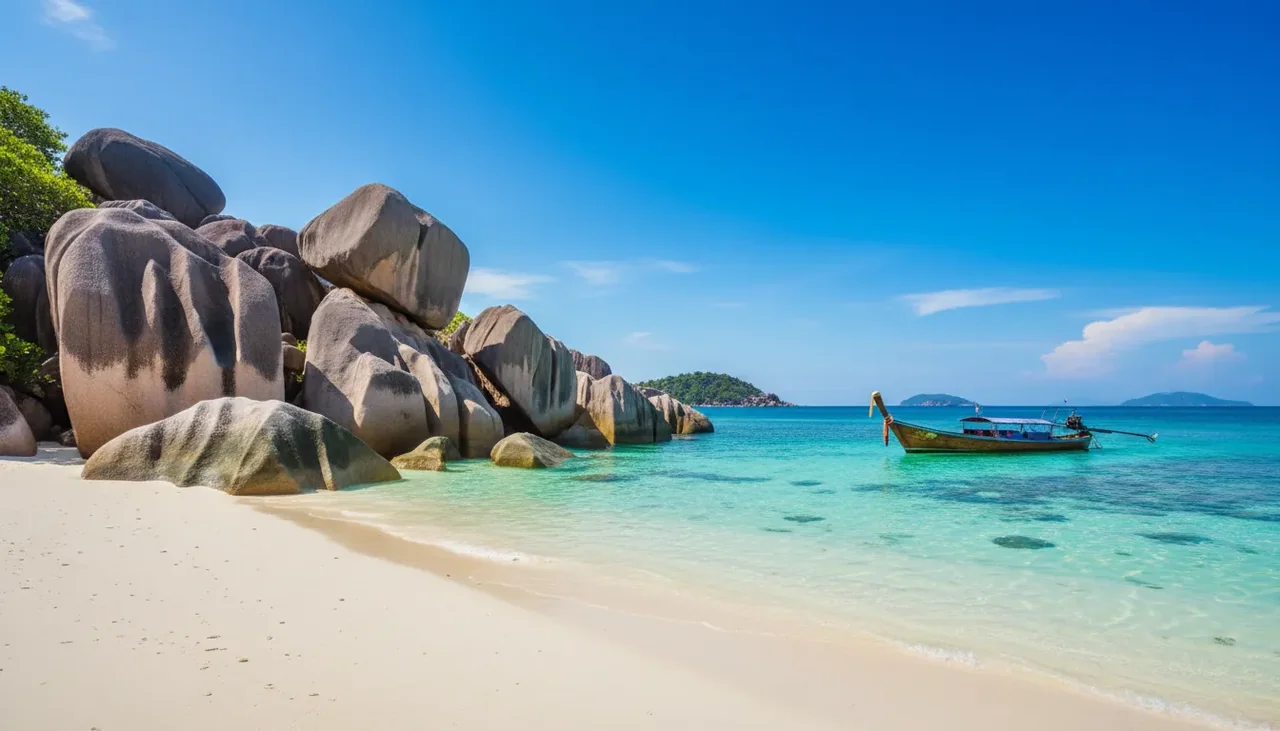
During the monsoon season from May to October, the Andaman Sea brings rough seas, sudden inshore surf, and dangerous rip currents. It is vital to follow the beach flag warning system: red means no swimming, yellow means caution, and green signifies safe conditions.
Avoid swimming near river mouths or around the Nang Thong lighthouse, especially on a receding tide when the currents strengthen. If you face an emergency on the beach, you can contact the Thailand Tourist Police for assistance.
Monsoon warnings: jellyfish can occasionally appear during the wet season, and warning signs should always be respected. Surf conditions are generally strongest and most hazardous between June and September.
A Northern Beach Loop by Car
A self-drive route opens up the quiet northern sands that buses and shared taxis rarely reach. Plan a loop that links several distinct beaches in one day, mixing coastal views with a stop inland. Our guide to things to do in Khao Lak can help you flesh out the rest of your itinerary.
- Start at Bang Sak and Pak Weep beaches for a quiet morning walk and a look at the local seafood shacks.
- Drive south to Pakarang Cape, a rocky coral promontory ideal for beachcombing at low tide.
- Relax at Coconut Beach or White Sand Beach just north of the cape, which offer calmer, family-friendly water.
- Head inland to Sai Rung Waterfall for a refreshing freshwater cascade.
- Finish your afternoon at Memories Beach on the north end of Khuk Khak to watch the local surfers.
To line up a reliable vehicle for this coastal route, you can compare rental cars online before you arrive.
Beach-Day Practicalities
When travelling on from your arrival point, perhaps after the drive from Phuket Airport to Khao Lak, keep a few regional details in mind for a smooth beach day. Helpful travel advisories are also published by the Tourism Authority of Thailand.
- Carry enough cash, as beach vendors, national parks and local piers often do not accept credit cards.
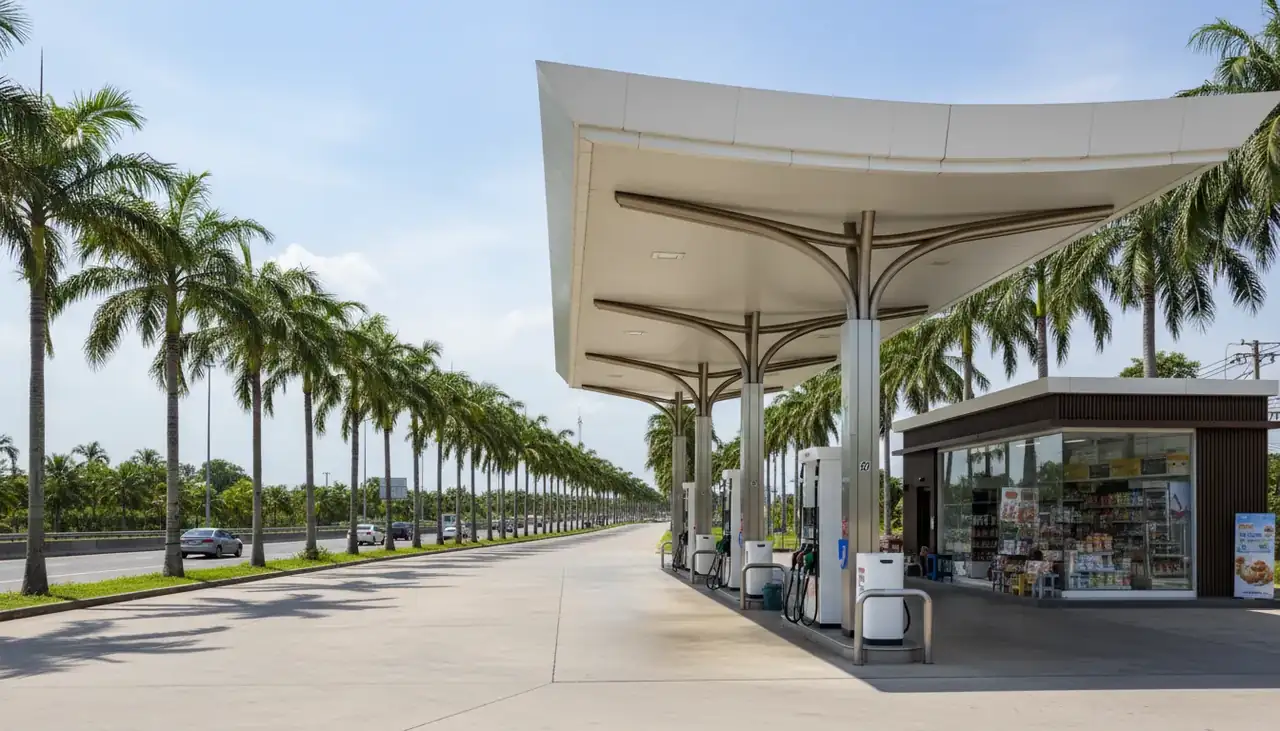
- Refuel at the main stations along Highway 4 before heading down remote beach roads.
- Consider an SUV if you plan to visit Memories Beach, as the access track is a rough dirt road.
- Protect yourself from the strong tropical sun with reef-safe sunscreen, a hat and plenty of drinking water.
Frequently Asked Questions
Which Khao Lak beaches are best for swimming? ▾
Is parking free at the beaches in Khao Lak? ▾
Where is the local surfing spot? ▾
Can you swim at Thai Mueang Beach? ▾
When is the monsoon season, and is swimming safe then? ▾
Ready to compare car rental deals in Khao Lak?
Check live prices and availability from local and international suppliers.
Compare car rental deals